OPP-91
Organization of Fishery Producers of Palamós
The Organization of Fishery Producers of Palamós (OPP-91) is an association with its own legal personality and non-profit recognized by the Generalitat de Catalunya.
The OPP-91 was born from the will of the shipowners and fishermen of the port of Palamós with the aim of representing and defending the interests and rights of the associated people.
Every year we plan our actions based on the objectives set, such as: promoting the improvement of the commercialization of fishing, promoting the extraction of living marine resources in a responsible, balanced, competitive and sustainable way, as well as improving the conditions of work and life of all those who work at sea.

Recognized by the Government of Catalonia
Opp-91 was born from shipowners and fishermen from Palamós
Improve the working and living conditions of those who work at sea
Fishing in Palamós
FLEET
TRAWLING
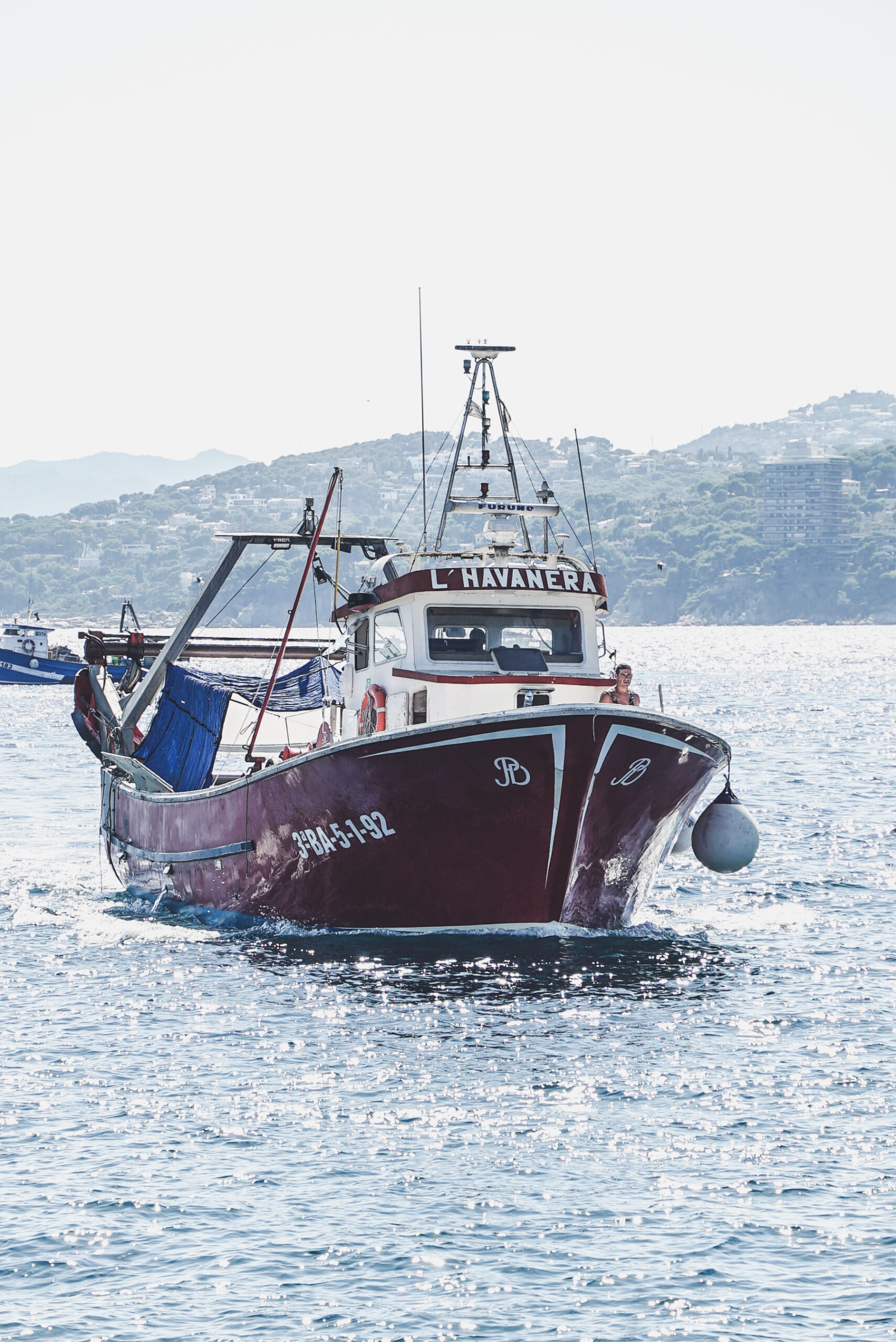
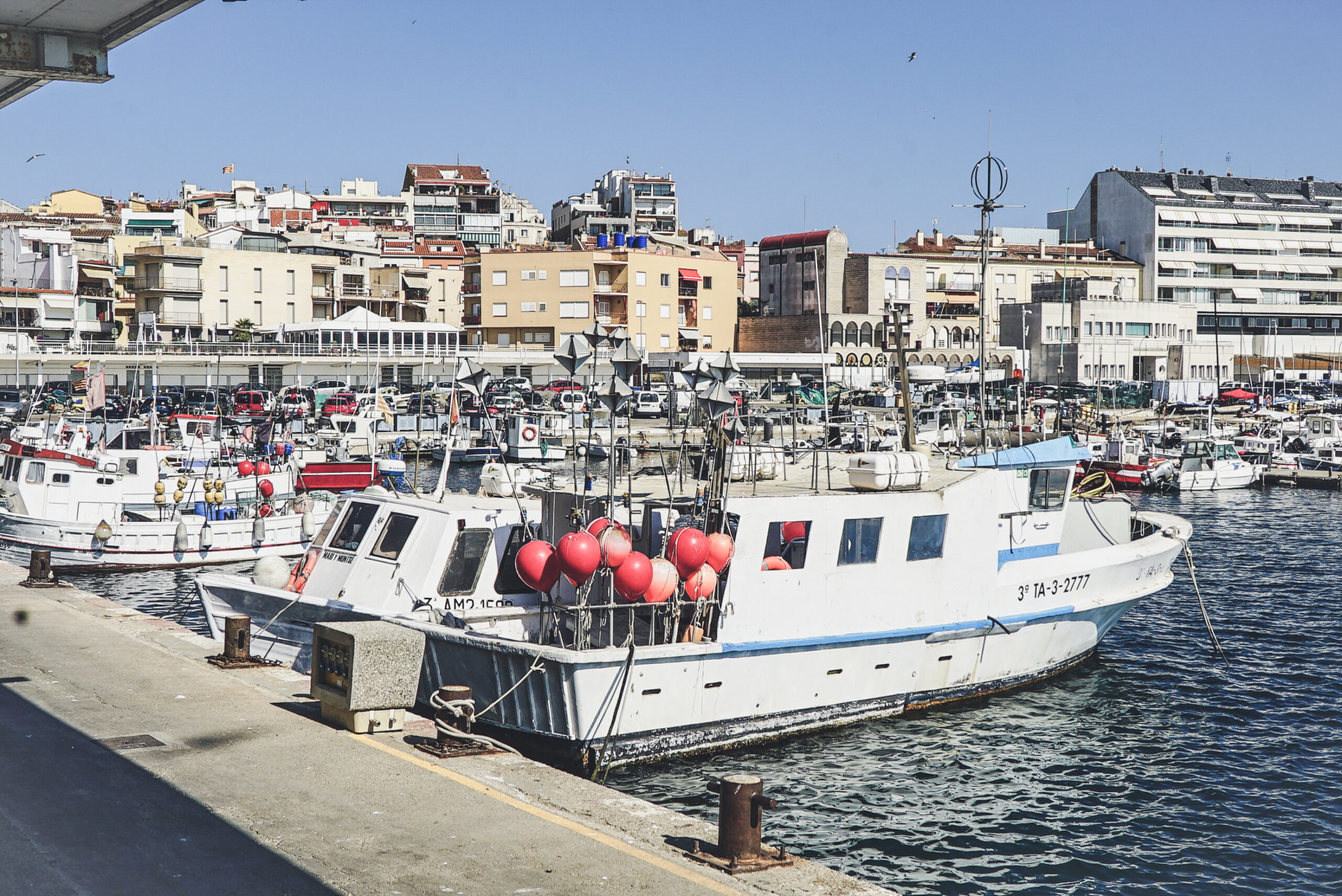
Nova Gasela, Solraig, Avanza, Nou Gisbert, Nuevo Siboney, Estrella del Sur III, L’Arjau, Montse, Bonomar, Tia Cinta, Mandorri, Ciriaco, L’Havanera, Morena de Montserrat, Miguel Bertrán, Manola, Perla de Palamós, Nova Meda, Gafor.
MINOR ARTS
Maria Mar Quatre, Alegria Segona, Es Corall, Matilde, Joan Eduard, Nauko, Maria II, L’Esbotzada, Helsa, Santi Joan, Pepita, El Bolerico II, Foque Uno, Llatser, Ninu III, Ferma, Pubilla, Nova Ferm XIII, Tau, Erasmus Dos, Gracia.
MINOR ARTS
Maria Mar Quatre, Alegria Segona, Es Corall, Matilde, Joan Eduard, Nauko, Maria II, L’Esbotzada, Helsa, Santi Joan, Pepita, El Bolerico II, Foque Uno, Llatser, Ninu III, Ferma, Pubilla, Nova Ferm XIII, Tau, Erasmus Dos, Gracia.
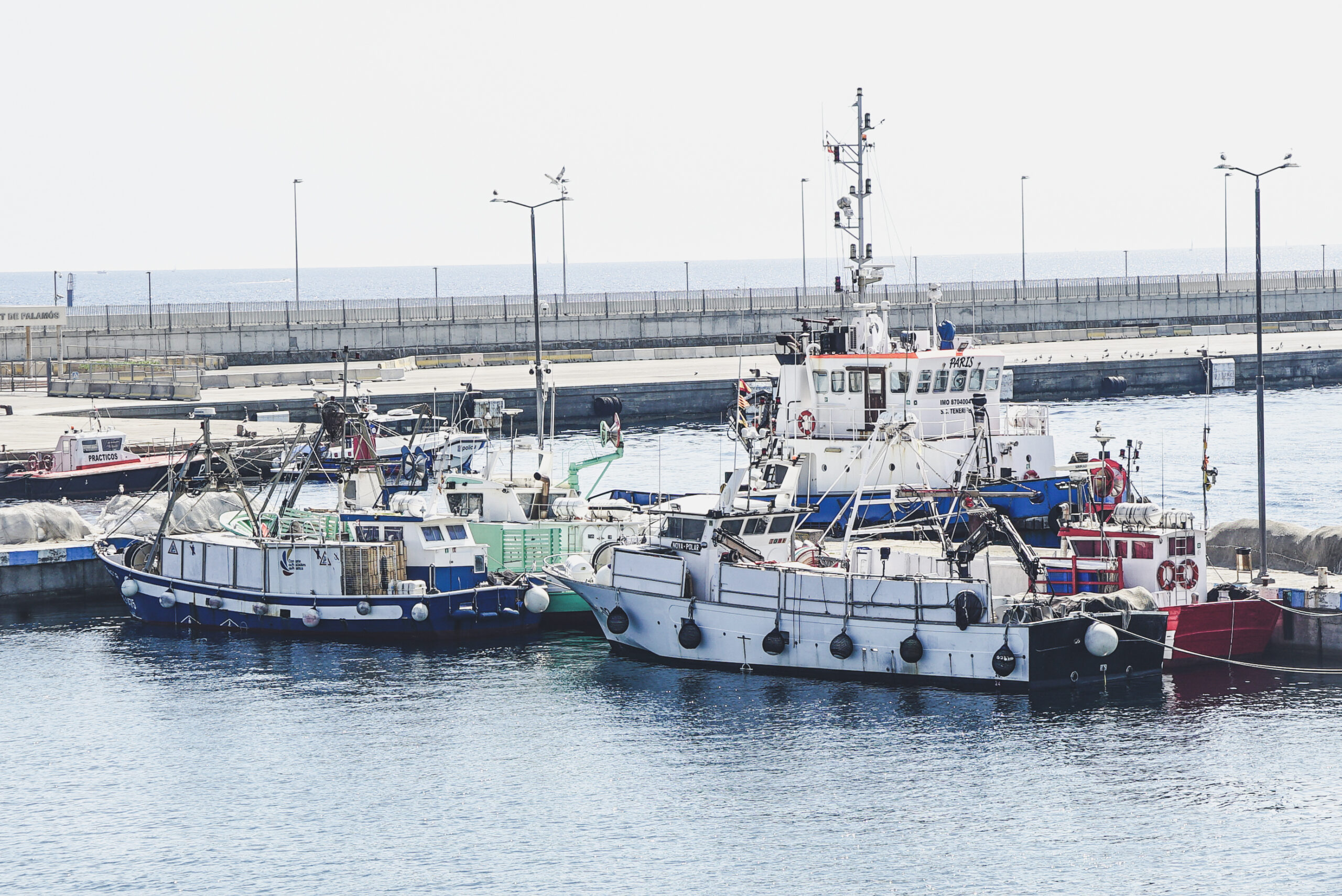
ENCIRCLEMENT FISHING OR SEINE FISHING
Agneta
SPECIES
Next, you can observe some of the most important species with the highest volume of production that arrive at the market at the Port of Palamós, such as the red prawn.
Shrimp
Aristeus antennatus
Fishing gear: Trawling
Consumption season: All year round
Closed season: January and February
Cooking: Simple cooking, either grilled or boiled. It is also used in the preparation of broths, ceviche, carpaccio and quality rice dishes.

Norway lobster
Nephrops norvegicus
Fishing gear: Trawling. It is fished mainly in spring and summer, at sunrise and sunset.
Consumption season: All year round
Cooking: It is highly prized for its flavour. Its flesh is soft and light. It can be grilled, fried with garlic or boiled, to accompany fish sauces, seafood stews, cocktails, soups or rice dishes.
Blue whiting
Micromesistius poutassou
Fishing method: Trawling
Consumption season: March to July
Cooking: The most common way of cooking is battered and fried, but also pickled or baked in the oven. It can be made into croquettes or meatballs.
Monkfish
Lophius piscatorius
Fishing gear: Trawling, trammel net and bottom longline
Consumption season: All year round
Cooking: It has a very versatile boneless flesh, with only one bone or central cartilage that is easy to remove. It is cooked in stews, casseroles, fried, in seafood rice dishes or cocktails. It is an ideal fish for low-calorie diets.
Greater Forkbeard
Phycis blennoides
Fishing gear: Trawling and bottom longline
Consumption season: All year round
Cooking: It is a very coveted and tasty fish, with a flesh similar to that of hake, although it is not very firm. It can be stewed, sliced, filleted and fried. It is high in protein and oleic acid.
Horse mackerel
Trachurus Trachurus
Fishing gear: Seine, trawling and trammel net
Consumption season: April to October
Cooking: This is a low-priced fish that can be prepared in several ways, fresh or smoked.
Sardine
Sardina pilchardus
Fishing gear: Purse seine
Consumption season: September to June
Cooking: Grilled, baked, pickled and a wide variety of dishes. Frequently used in Catalan cuisine.
Anchovy
Engraulis encrasicolus
Fishing gear: Seine fishing and occasionally trawling
Consumption season: All year round
Cooking: Anchovies can be consumed fresh and can also be salted and canned. When they are conserved in vinegar they are called “boquerones” in Spain
Red mullet
Mullus surmuletus
Fishing gear: Trawling and trammel net
Consumption season: July to November
Cooking: Its flesh is soft and delicate, very popular with children, it is a winner in casseroles. Smaller specimens can be cooked whole; a good option is to flour and fry them. Alternatively, this fish can be cooked whole in the oven, as the base of a good broth, and it is excellent for making rice dishes.
Mediterranean sand eel
Gymnammodytes cicerelus
Fishing gear: Sonsera
Consumption season: All year round
Closed season: 15 December to 1 March
Cooking: It is caught with gear called “sonsera” and is found in markets along the Catalan coast, especially during the summer. The Mediterranean sand eels are usually lightly sprinkled with flour before being fried.
John Dory / Gallo de San Pedro / St. Peter’s Fish
Zeus faber
Fishing gear: Trawling, trammel net and bottom longline
Consumption season: June to September
Cooking: A prized meat; delicious, aromatic and with an excellent texture. Ideal for preparing a good fish stock or for grilling, baking, steaming, frying or boiling.
Four spot megrim
Lepidorhombus boscii
Fishing gear: Trawling and trammel net
Consumption season: It can be found all year round, but the best season is in spring
Cooking: This fish can be prepared in the same way as the pigeon: roasted, baked with vegetables, with garlic, fried or in stew.
PROJECTS
Despite the recent creation of the Palamós Fish Producers Organisation (OPP in its Spanish acronym), we are already working on various associated projects, such as the creation of a fish handling facility and the design of a web-app to digitalise all the information we have.
Fish handling facility
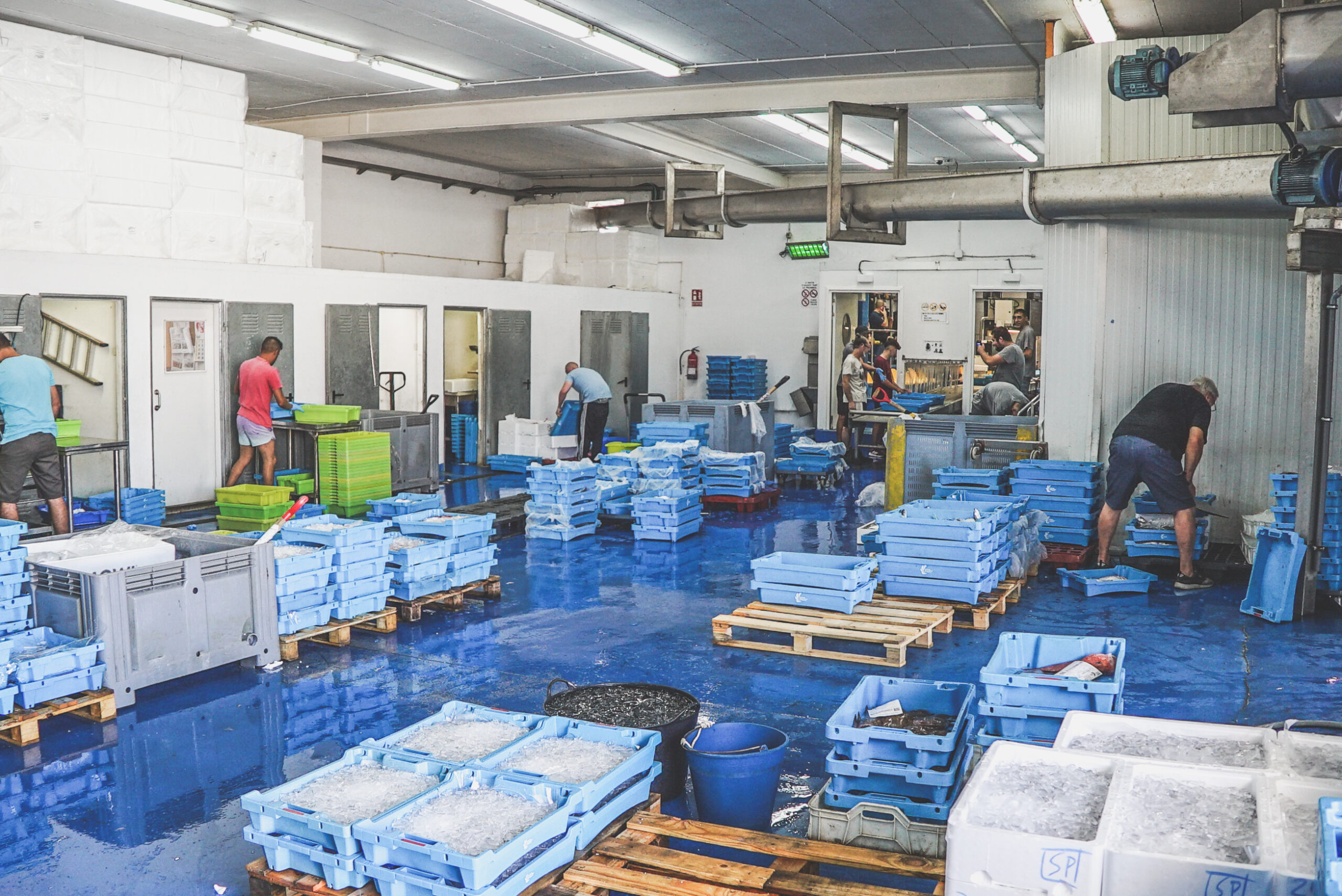
The new OPP will create a fish handling facility in order to produce products for sale. This facility will be built in the port grounds, on a plot of land provided by Ports of Catalonia to the Palamós Fishermen’s Guild. The OPP will manage these facilities by means of a cession of use agreement.

Digitalisation of fishing
The OPP is requesting quotes from various IT technology companies for systems to be implemented across the associated fleet. The OPP is actively participating in the design of the applications. We consider this an indispensable tool for the creation of a database and its subsequent application.
LATEST NEWS
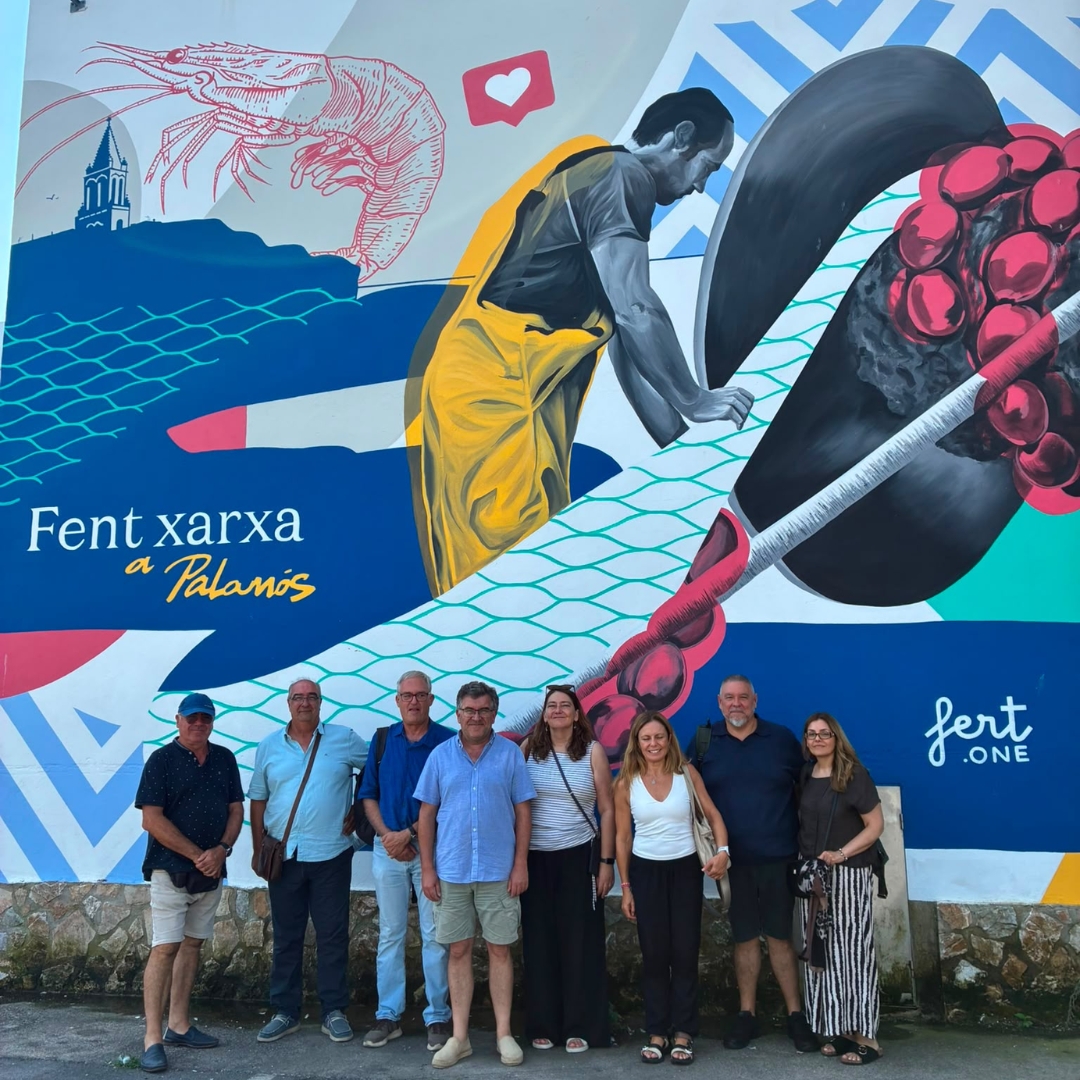
On Monday, 3 August, the Palamós Fish Producers' Organisation (OPP-91) welcomed representatives from the Government of Catalonia, the Government of the Balearic Islands, and OPMallorcaMar, who visited Palamós to learn first-hand about the organisation's management model and the projects it is developing to enhance the value of local seafood products. The visit was attended by the Minister for Agriculture, Fisheries and the Natural Environment of the Government of the Balearic Islands, Joan Simonet; the Director General for Fisheries, Antoni M. Grau; the President of OPMallorcaMar, Pedro Mercant; its Manager, Magda Molina; its Commercial Director, Marcial Caracena; the Director General for Maritime Policy and Sustainable Fisheries of the Government of Catalonia, Itziar Segarra Díaz; Francesc Benaiges, ; and Cristina Mañas, Manager of OPP-91 and the Palamós Fishermen's Guild. The programme began at the offices of the Palamós Fishermen's Guild, where the OPP-91 team presented the organisation, its structure and the main lines of work included in its Production and Marketing Plan, focused on responsible fisheries management and the promotion of locally sourced seafood. The visitors also toured the OPP's fish processing facility, where seafood is prepared to supply schools, healthcare centres and other collective catering services with fresh fish from Palamós. The visit continued at the Fishing Museum and the Barques del Peix exhibition, two key spaces
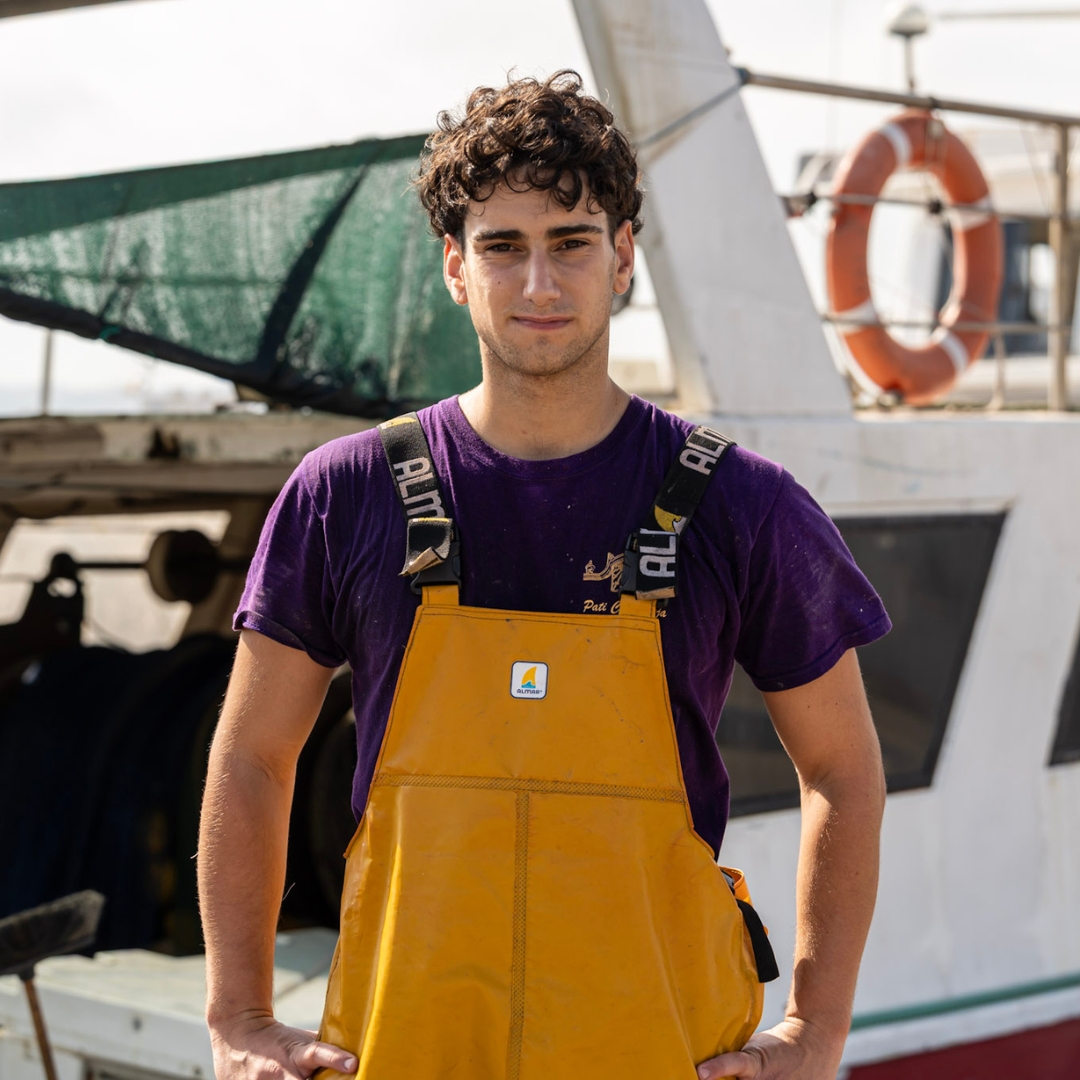
The Palamós Fisheries Producers Organisation (OPP-91) has launched a partnership with the Blas de Lezo school in Pasaia, in the Basque Country, one of the leading centres for the training of future fishing vessel skippers.
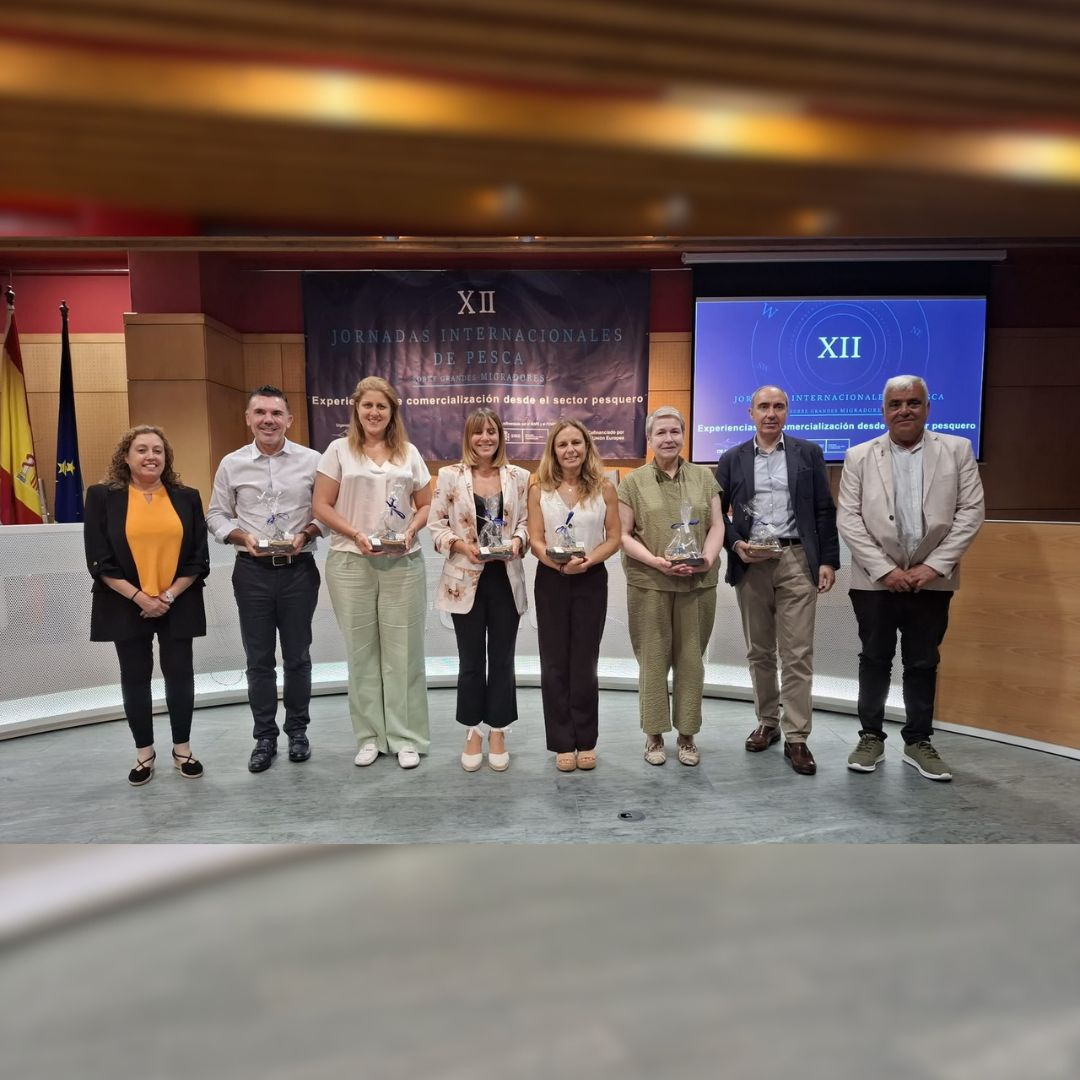
The Palamós Fish Producers' Organisation (OPP-91) took part last Friday in the 12th ORPAGU International Conference on Large Migratory Fisheries, held in A Guarda (Pontevedra, Spain). The event brought together fisheries professionals to exchange experiences and discuss the future challenges facing the sector. Cristina Mañas, Manager of OPP-91, participated in the round table "Direct Marketing Experiences from Producer Organisations", where she presented the experience of Palamós in the marketing of seafood products and the work being carried out through the #dePalamós brand. The session brought together representatives from several Spanish producer organisations and fishing cooperatives to showcase different direct marketing models developed by the sector itself, highlighting the importance of proximity, traceability and adding value to seafood products. The conference also addressed other key topics for the fisheries sector, including vertical integration models, household seafood consumption trends and strategies to strengthen the competitiveness of producer organisations. OPP-91's participation provided an opportunity to showcase the model developed in Palamós, based on product quality, direct marketing, sustainability and the close connection between the fishing grounds, the fish auction market and the final consumer. Through #dePalamós, OPP-91 continues to promote seafood from Palamós by highlighting its origin, traceability and the work carried out by the fishing sector behind every catch.